
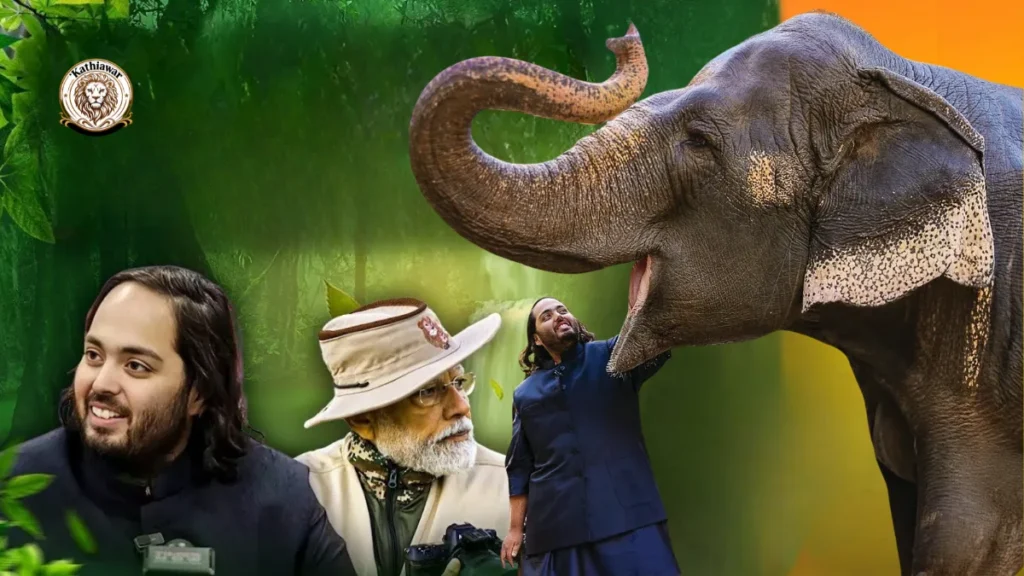
Vantara is emerging as one of the most ambitious and inspiring wildlife conservation initiatives in India, designed to protect, nurture, and study endangered species while creating awareness among people. This unique project is not just a sanctuary but a complete ecosystem where science, compassion, and sustainability come together to shape the future of wildlife conservation.
In recent years, the need to protect wildlife has become more urgent than ever. Rapid urbanization, climate change, and habitat destruction have pushed many species toward extinction. In this context, Vantara stands as a beacon of hope, offering a modern, well-planned approach to wildlife care, research, and education.
What is Vantara?
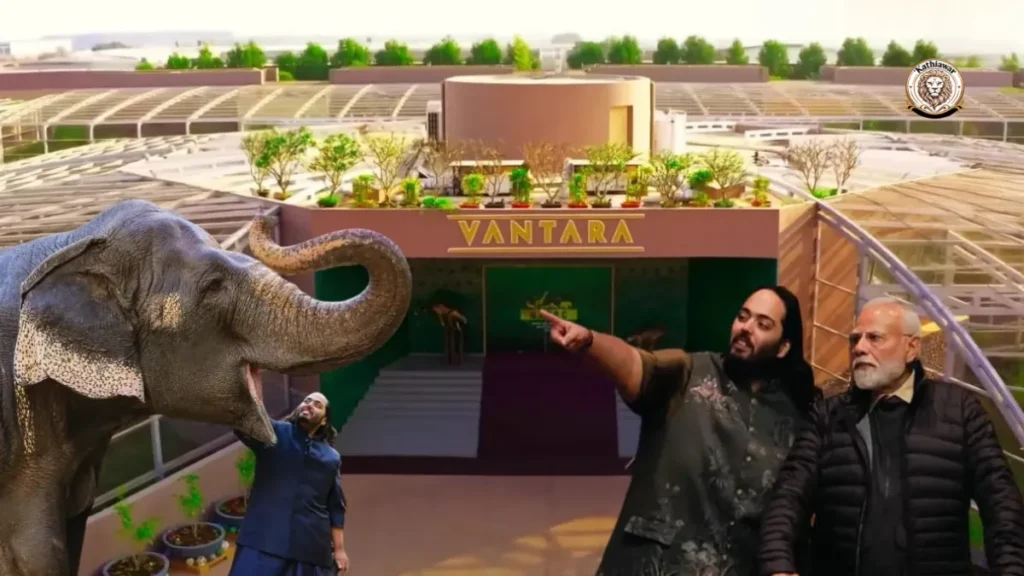
Vantara is a large-scale wildlife conservation and rehabilitation project aimed at providing a safe and natural environment for animals. It focuses on rescuing injured, abandoned, and endangered animals and giving them a chance to live in conditions that closely resemble their natural habitats.
The project is designed with advanced veterinary facilities, research centers, and dedicated spaces for different species. It is not just about keeping animals safe but also about understanding their behavior, improving their health, and ensuring their long-term survival.
One of the most unique aspects of Vantara is its holistic approach. It combines conservation, education, and scientific research under one umbrella, making it a comprehensive initiative rather than just a traditional wildlife park.
The Vision Behind Vantara
The vision of Vantara is rooted in the idea that humans and wildlife can coexist peacefully. The project aims to create awareness about the importance of biodiversity and inspire people to take responsibility for protecting nature.
At its core, Vantara focuses on three main goals. The first is conservation, which involves protecting endangered species and restoring their populations. The second is rehabilitation, where injured or rescued animals are treated and cared for. The third is education, which helps people understand the value of wildlife and the role they play in maintaining ecological balance.
This vision makes Vantara not just a conservation center but also a platform for change, encouraging individuals and communities to become more environmentally conscious.
Vantara and Wildlife Conservation
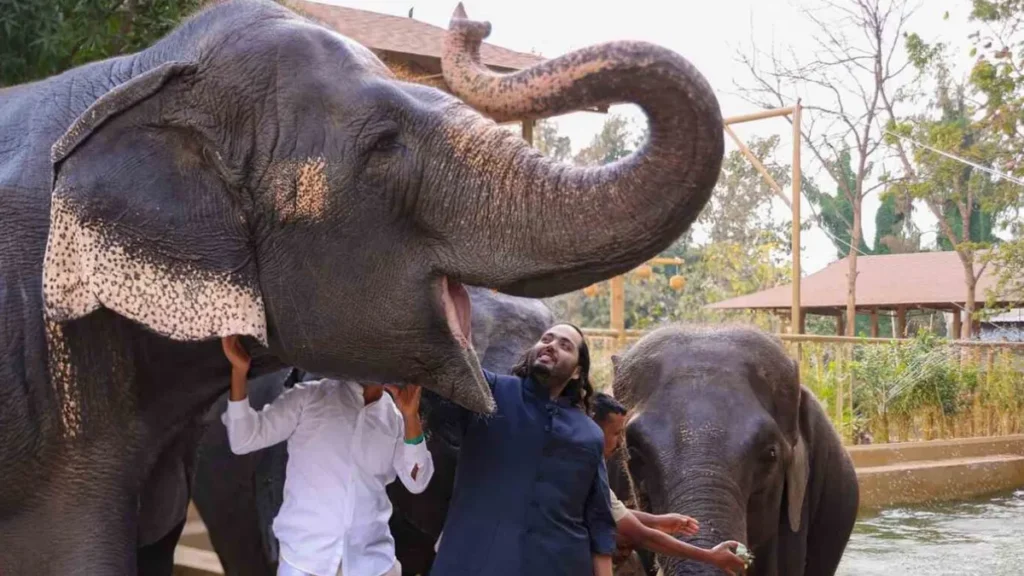
Wildlife conservation is at the heart of Vantara. The project works actively to protect species that are at risk of extinction. Many animals today face threats due to illegal hunting, habitat loss, and environmental changes.
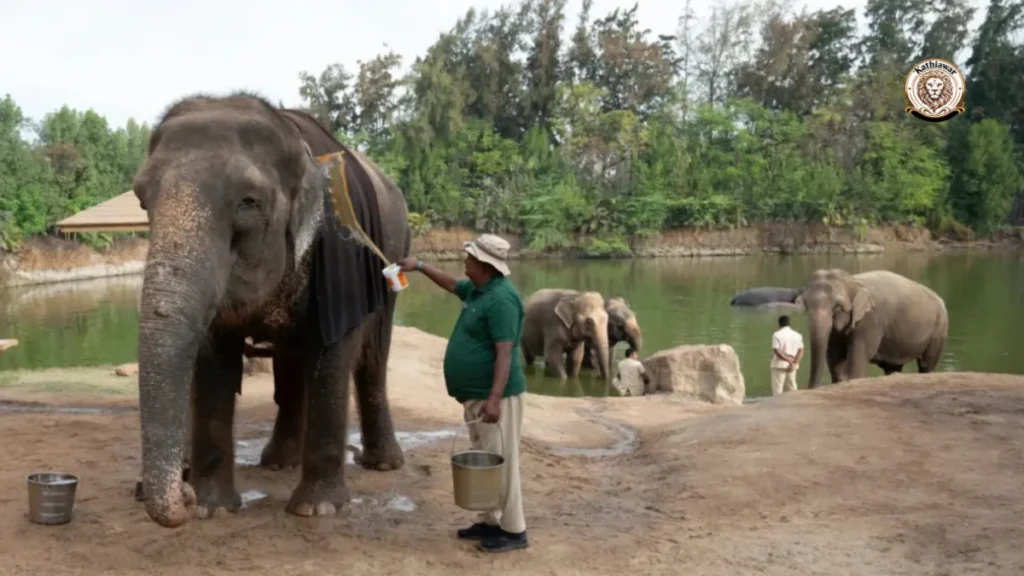
Vantara provides a safe haven where these animals can recover and thrive. It offers spacious enclosures, natural landscapes, and specialized care tailored to each species. This ensures that animals are not just surviving but living healthy and stress-free lives.
Another important aspect of conservation at Vantara is breeding programs. These programs are carefully designed to increase the population of endangered species. By maintaining genetic diversity and providing proper care, Vantara contributes significantly to the global effort of wildlife preservation.
Advanced Veterinary Care at Vantara
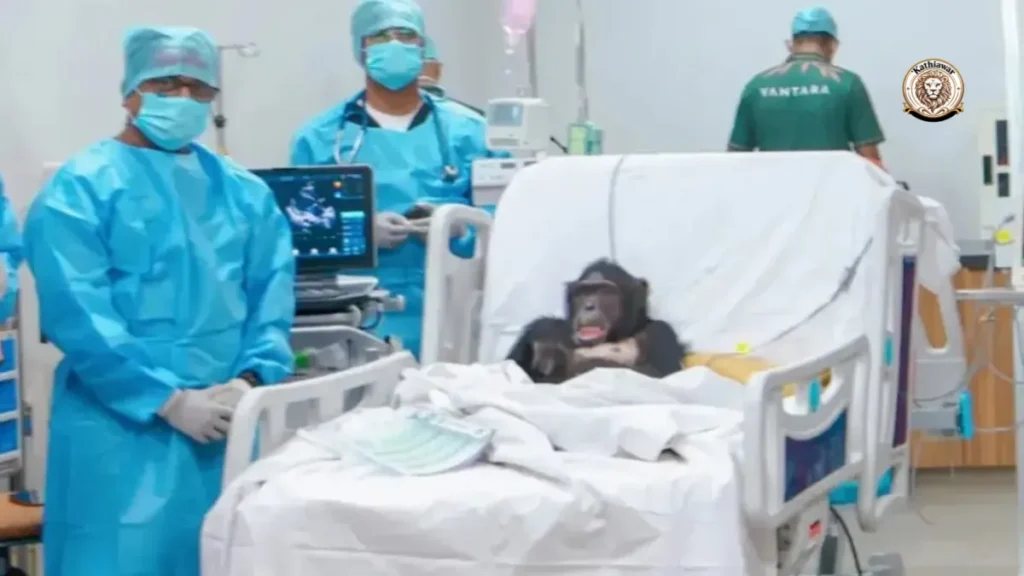
One of the standout features of Vantara is its state-of-the-art veterinary facilities. Animals that are rescued often arrive in poor health or with serious injuries. Providing them with proper medical care is crucial for their recovery.
Vantara has a team of skilled veterinarians and specialists who work round the clock to ensure the well-being of animals. The facilities include modern equipment for diagnosis, surgery, and rehabilitation.
The focus is not only on treatment but also on preventive care. Regular health check-ups, proper nutrition, and a clean environment help in maintaining the overall health of animals. This level of care sets Vantara apart from many traditional wildlife centers.
Research and Innovation at Vantara

Research plays a vital role in understanding wildlife and improving conservation strategies. Vantara serves as a hub for scientific research, where experts study animal behavior, health patterns, and environmental factors.
The data collected through research helps in developing better methods for conservation and rehabilitation. It also contributes to global knowledge about wildlife and ecosystems.
Innovation is another key element of Vantara. The project uses modern technology to monitor animals, track their movements, and ensure their safety. This combination of science and technology enhances the effectiveness of conservation efforts.
Educational Opportunities Through Vantara

Education is an important part of Vantara’s mission. The project aims to spread awareness about wildlife and environmental conservation among people of all ages.
Students, researchers, and nature enthusiasts can learn about different species, their habitats, and the challenges they face. Educational programs, workshops, and guided tours help in creating a deeper understanding of nature.
By educating people, Vantara encourages them to adopt eco-friendly practices and support conservation efforts. This creates a positive impact that goes beyond the boundaries of the project.
Vantara Wildlife University Concept
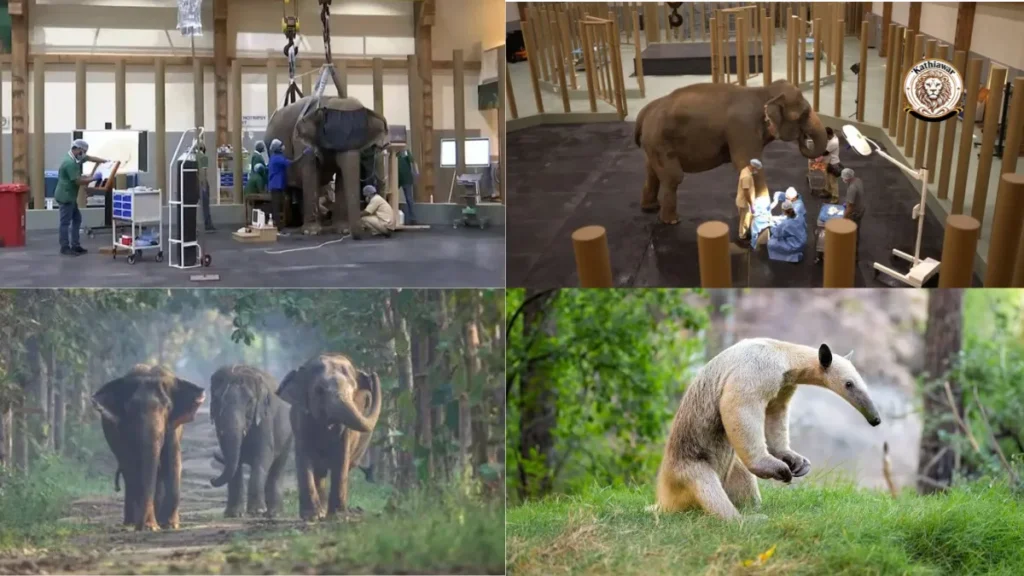
One of the most exciting aspects associated with Vantara is the idea of a dedicated wildlife university. This concept aims to train future scientists, veterinarians, and conservationists.
The university will focus on subjects like wildlife biology, veterinary science, environmental studies, and conservation management. It will provide students with both theoretical knowledge and practical experience.
This initiative is expected to create a new generation of experts who are passionate about protecting wildlife. It also strengthens India’s position as a leader in global conservation efforts.
Sustainable Practices at Vantara

Sustainability is a key principle of Vantara. The project is designed to minimize its impact on the environment while supporting wildlife conservation.
Efforts are made to use renewable energy, manage waste effectively, and conserve water. Natural resources are used responsibly to ensure that the ecosystem remains balanced.
The design of habitats also reflects sustainability. Animals are kept in environments that mimic their natural surroundings, reducing stress and promoting natural behavior.
These practices make Vantara a model for future conservation projects, showing how development and sustainability can go hand in hand.
Role of Technology in Vantara
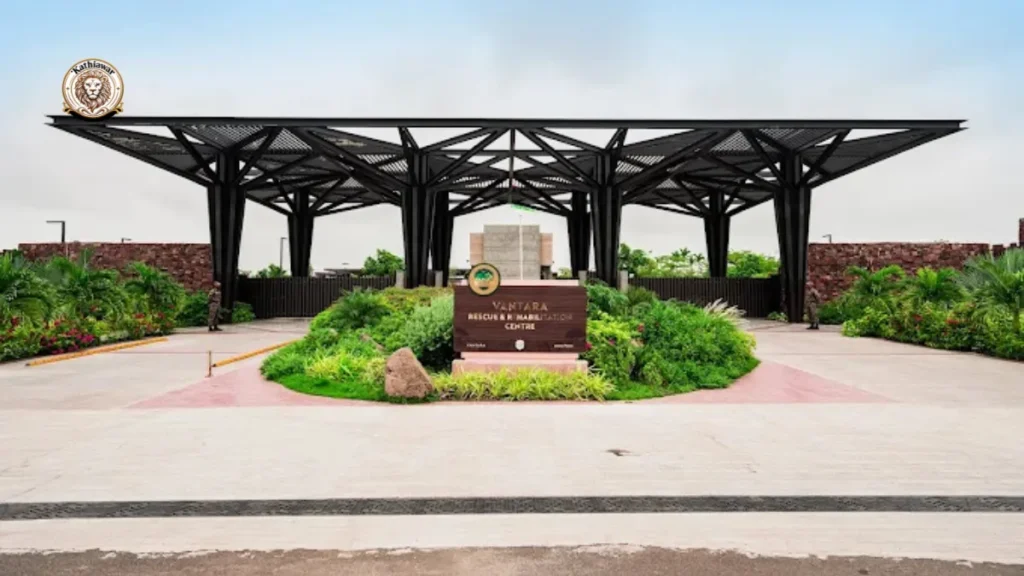
Technology plays an important role in making Vantara efficient and effective. Advanced monitoring systems help track animal health and behavior. This allows the team to respond quickly to any issues.
Digital records and data analysis improve decision-making and planning. Technology also helps in research, making it easier to study animals and their environments.
From surveillance systems to medical equipment, every aspect of Vantara benefits from modern technology. This integration ensures high standards of care and management.
Challenges Faced by Vantara
Despite its success and vision, Vantara faces several challenges. Wildlife conservation is a complex task that requires continuous effort and resources.
One of the biggest challenges is maintaining the natural balance within the sanctuary. Each species has different needs, and managing them requires careful planning.
Another challenge is raising awareness among people. While Vantara is making efforts in this area, there is still a need for greater public involvement.
Funding and long-term sustainability are also important factors. Large-scale projects like Vantara require ongoing support to continue their work effectively.
Why Vantara is Important for the Future
Vantara is more than just a conservation project; it is a step toward a better future. As the world faces environmental challenges, initiatives like Vantara play a crucial role in protecting biodiversity.
By saving endangered species, Vantara helps maintain ecological balance. Every species has a role in the ecosystem, and losing even one can have serious consequences.
The project also inspires people to care about nature. It shows that with the right approach, it is possible to make a positive difference.
In the long run, Vantara can become a global model for wildlife conservation, encouraging other countries to adopt similar initiatives.
How People Can Support Vantara
Public support is essential for the success of Vantara. There are many ways people can contribute to its mission.
Spreading awareness is one of the simplest and most effective ways. By educating others about wildlife conservation, individuals can create a ripple effect.
Supporting conservation organizations, adopting eco-friendly habits, and respecting wildlife are also important steps. Even small actions can make a big difference.
People can also visit and learn from projects like Vantara, gaining knowledge and understanding that can be applied in their daily lives.
Conclusion
Vantara represents a powerful blend of compassion, science, and vision. It is a place where animals are not just protected but respected and understood. Through its efforts in conservation, research, and education, Vantara is setting new standards for wildlife care.
As the world continues to face environmental challenges, initiatives like Vantara offer hope and direction. They remind us that it is our responsibility to protect the planet and its inhabitants.
With continued support and dedication, Vantara has the potential to transform the future of wildlife conservation and create a lasting impact for generations to come.