
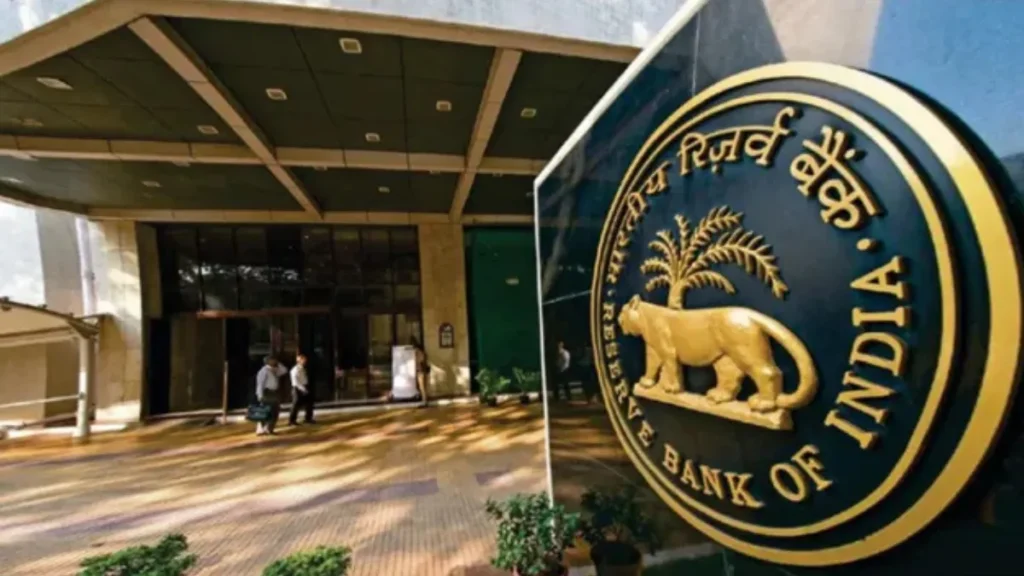
India’s rapidly expanding digital economy has brought immense convenience to millions of users, but it has also created new opportunities for cybercriminals. In response to the growing threat of online financial scams, the Reserve Bank of India (RBI) is considering stricter safeguards to protect digital payment users. According to a recently released consultation paper, the RBI has proposed introducing a one-hour delay for large digital transactions and additional verification measures for senior citizens in an effort to reduce digital fraud across the country.
Surge in Digital Payment Fraud Cases
Over the past few years, India has witnessed a sharp increase in cases of online financial fraud. Cybercriminals are increasingly using sophisticated methods such as fake call centers, mule bank accounts, and even deepfake technologies to deceive unsuspecting victims.
Mule accounts, in particular, have become a major tool for fraudsters. These accounts are often used to move stolen funds rapidly from one bank account to another, making it extremely difficult for authorities to trace the money trail. Once the funds are transferred through multiple accounts, recovering the money becomes much more challenging.
Data from the National Cyber Crime Reporting Portal highlights the alarming scale of the problem. Between 2021 and 2025, cases of digital payment fraud in India increased more than tenfold, reaching nearly 2.8 million reported incidents. The financial damage during the same period also surged dramatically. Total losses rose nearly forty times, with victims collectively losing around ₹230 billion.
These figures underline the urgency for stronger security mechanisms in India’s digital banking and payment ecosystem.
One-Hour Delay for High-Value Transactions
To address these growing concerns, the RBI is proposing a one-hour delay for digital transactions exceeding ₹10,000, including payments made through Unified Payments Interface (UPI) platforms.
Under the proposed system, the transaction amount will be debited from the sender’s account immediately, but it will not be credited to the receiver’s account right away. Instead, the transaction will remain in a temporary holding stage for up to one hour.
This delay is designed to give customers a critical window of time to review the payment and cancel it if they suspect fraud or realize they have made a mistake. During this period, banks or payment platforms may also flag suspicious transactions and alert users.
The goal of this measure is to prevent fraudsters from instantly withdrawing or transferring stolen funds before victims realize what has happened.
No Impact on Everyday Small Payments
Despite the proposed changes, the RBI has emphasized that routine digital payments will not be affected. Smaller transactions used for daily activities—such as paying for groceries, transportation, or utility bills—will continue to be processed instantly.
Similarly, payments made to registered merchants are expected to remain unaffected by the proposed delay. Since merchants already have established dispute resolution mechanisms and verification processes in place, the central bank believes additional restrictions are unnecessary in these cases.
This approach ensures that the convenience of digital payments for everyday users remains intact while still strengthening protection against high-value fraud.
Also read: Asha Bhosle Death: Legendary Indian Playback Singer Passes Away at 92 After Chest Infection
Additional Protection for Senior Citizens
Another key element of the proposal focuses on protecting vulnerable groups, particularly senior citizens. According to the RBI consultation paper, individuals aged 70 years and above—including persons with disabilities—may be required to obtain approval from a trusted nominee or authorized person before completing transactions above ₹50,000.
Older adults are often targeted by scammers through phone calls, impersonation schemes, and misleading messages. By introducing an additional verification layer, the central bank hopes to prevent fraudsters from exploiting these individuals.
The measure aims to strike a balance between financial independence and enhanced security for elderly account holders.
Strengthening India’s Digital Payment Security
The RBI’s proposals represent an important step toward building a safer digital payment environment in India. As digital transactions continue to grow at an unprecedented pace, maintaining strong security measures has become a priority for regulators.
By introducing a delay for large transactions and adding extra safeguards for vulnerable users, the central bank aims to create a system that is both convenient and secure. The consultation paper has been released to gather feedback from banks, payment service providers, and the public before finalizing the regulations.
If implemented, these measures could significantly reduce digital payment fraud while reinforcing public trust in India’s rapidly evolving digital banking ecosystem.
With these steps, the RBI is clearly signaling its commitment to making digital banking safer, more reliable, and better protected against cyber threats in the years ahead.